After the Onda 6 broadcast I asked the divine for inspiration again. I was still working on post-production for the advertising campaign. I admired the retoucher’s work, but whenever I heard people debating how much of each photograph was his and how much was mine, I felt my signature fading. I wanted to return to art and make a photograph I could call finished the moment the shutter closed.
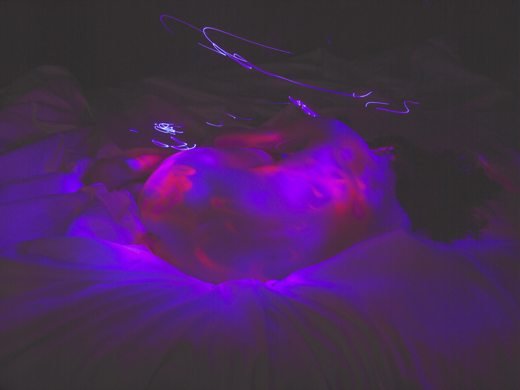
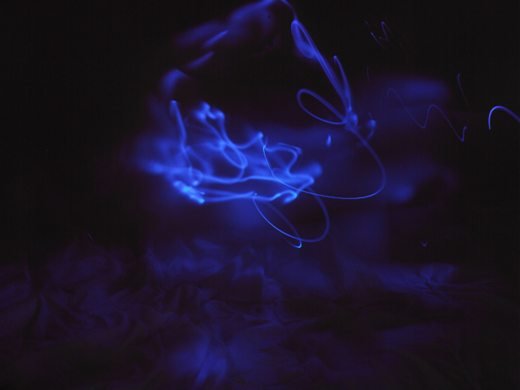
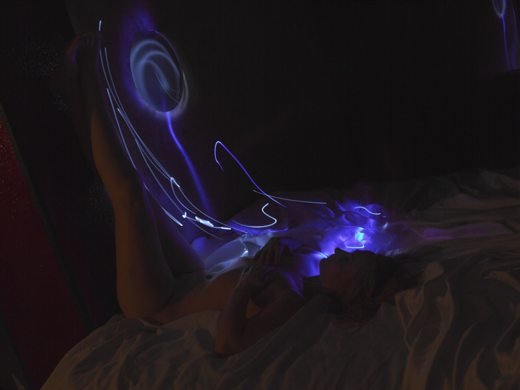
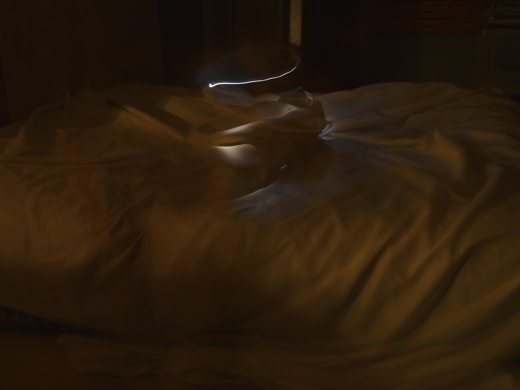
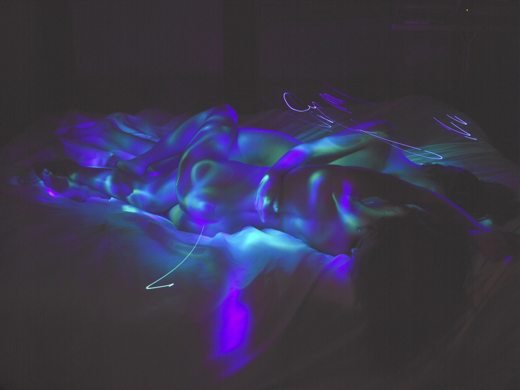
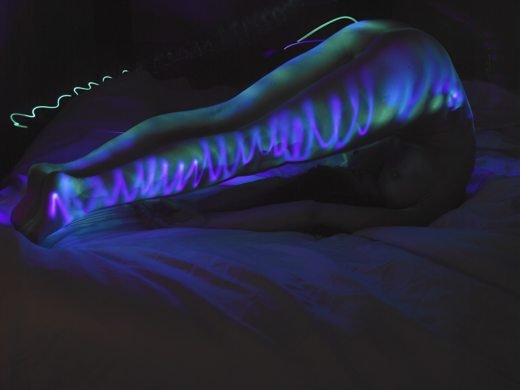
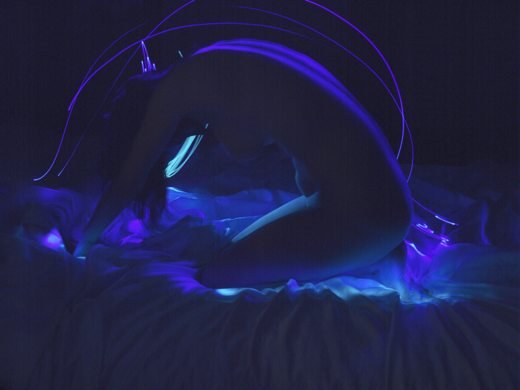
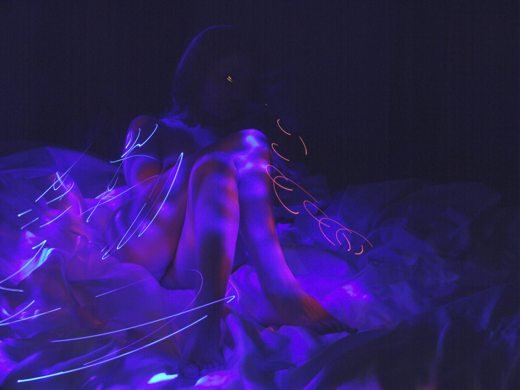
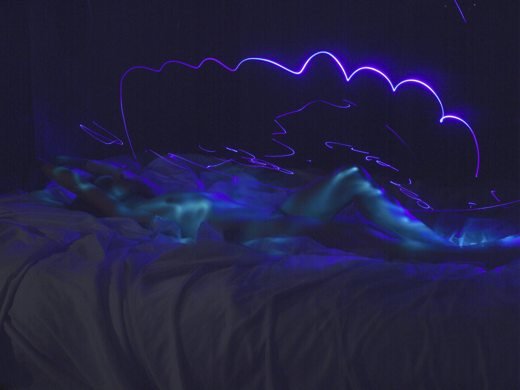
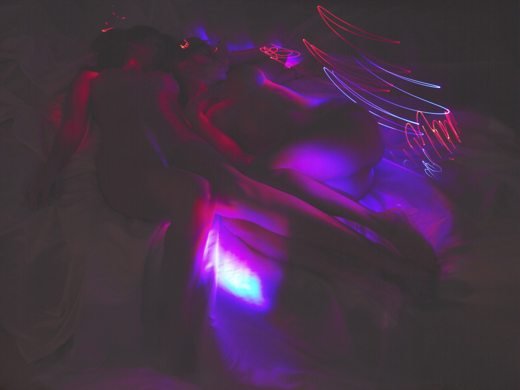
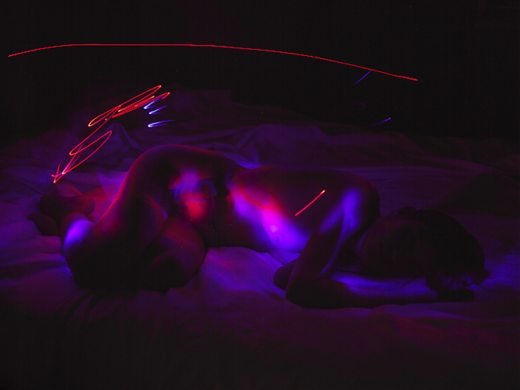
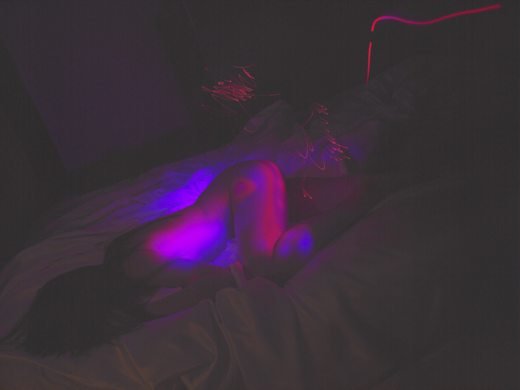
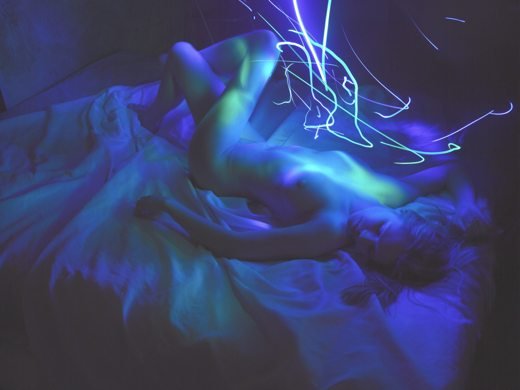
An Argentine journalist gave me a plastic lighter with a little blue torch built into it. That night I lit a pink candle and asked Ángeles to pose for me. I left the shutter of my Hasselblad open for thirty seconds. With the lighter in my hand I painted around her body. In the photograph I recognised the movement of my hand in the blue line beside her skin. There was something sacred to me in that image of the woman I loved. I left it just as it had come out of the camera.
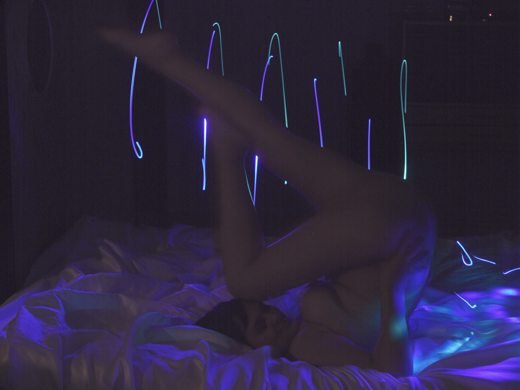
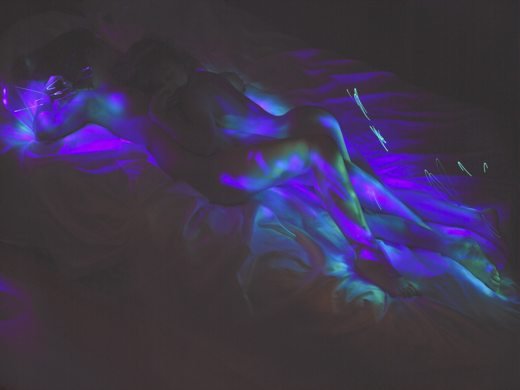
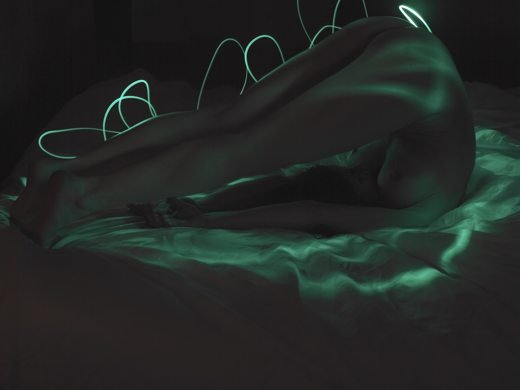
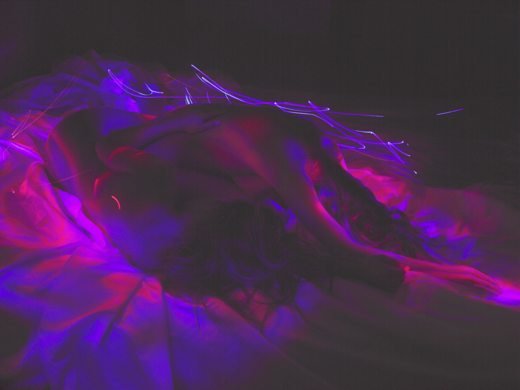
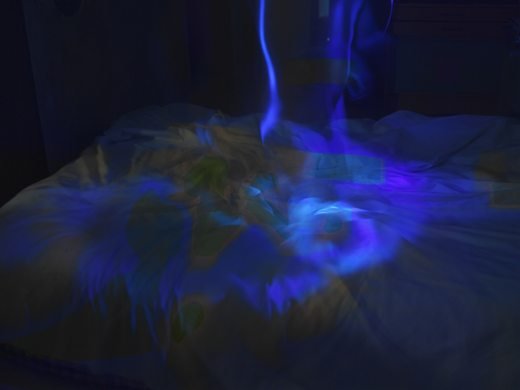
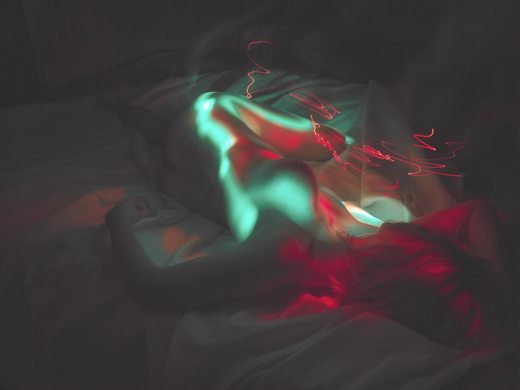
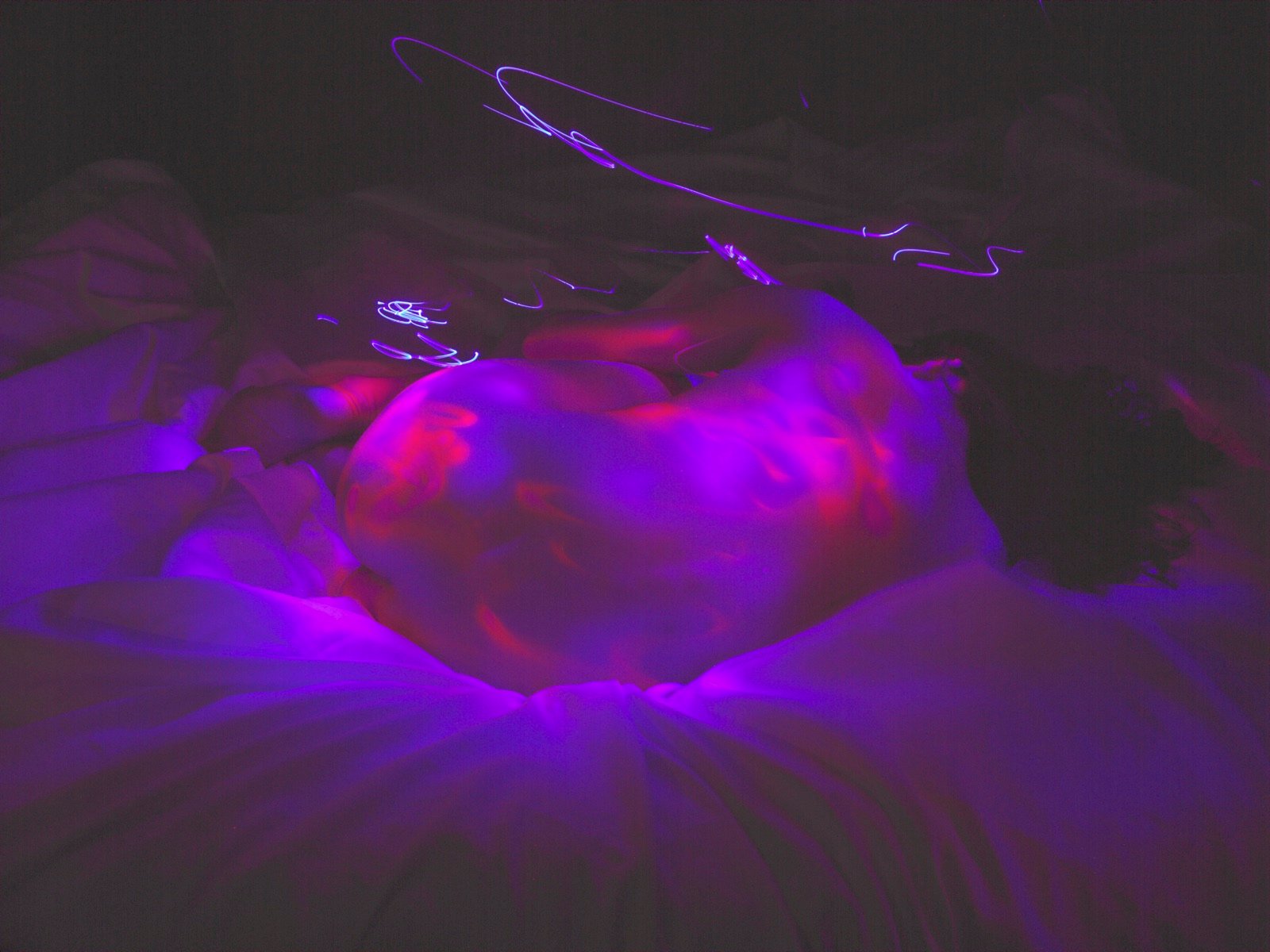
I went on to photograph other women. I asked them to come at ten at night. I would spread the white lining of a wedding dress over the bed and put on some music by Enya. With the camera on a tripod I could move around the woman as she posed. My arms followed the music. Sometimes the light caught a fold in the fabric and in the photograph it looked like a lunar landscape.
Around then the director of Grey called me into his office in the Torre Picasso. He was delighted with the campaign and wanted to introduce me to other agencies. I stood looking out at Madrid through the glass. Only a short time before, it would have seemed to me the most a photographer could hope for. “I’m leaving advertising for art,” I told him. I remember how light I felt as I walked out of that tower.
With the third woman I photographed, a shadow appeared on the screen that seemed to rise from her belly. We kept shooting and the images continued to unsettle me. Until then I had been trying to recapture the beauty of that first night with Ángeles. From then on I let go of the picture I had in mind. I felt that something greater than myself was guiding the series, and I wanted to see where it would lead.
I set myself the task of making fifty photographs. After a year I stepped in front of the camera myself. The self-portrait that closes Blue Tantra is about my own death. One night, as I looked through the series, I turned down the brightness of the screen. The bodies slipped from view. What remained were strokes of light that reminded me of Japanese calligraphy.
To give the photographs their titles, I sat with each one and wrote down the words that came to me. Some of them frightened me. I went back and changed the ones that felt too dark. When at last I read all fifty titles in succession, I discovered I had written a love letter.
Chapters 9–11 of the memoir. A Crack in Reason